
Local Wildlife Site Monitoring
Local Wildlife Sites (LWSs) play a vital role in conserving biodiversity at a local level. However, they are subject to a range of pressures, including a lack of positive conservation management, invasive species, and land‑use change associated with development. Although LWSs do not have statutory designation, they receive protection through local planning policy and are a material consideration in planning decisions.
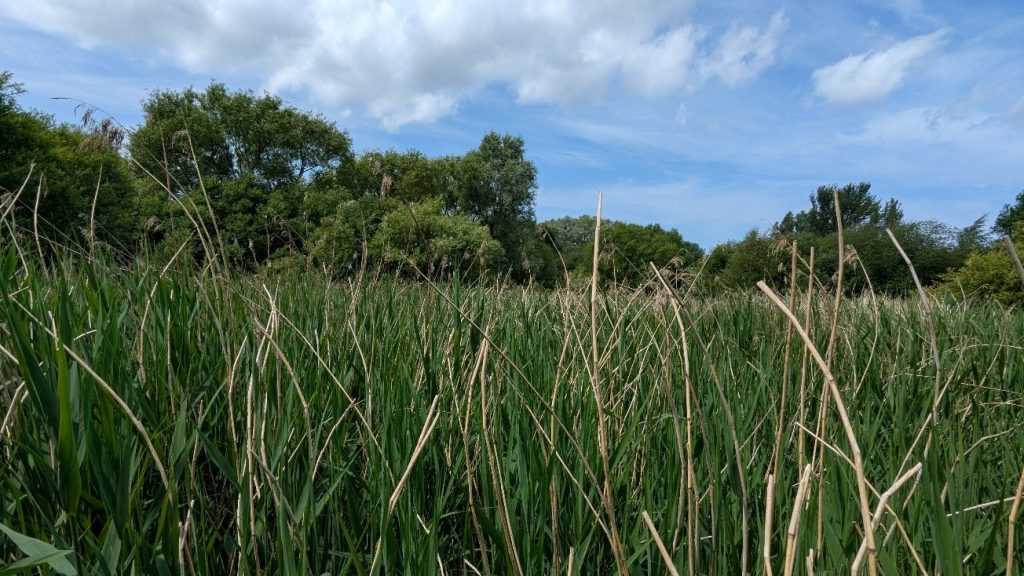
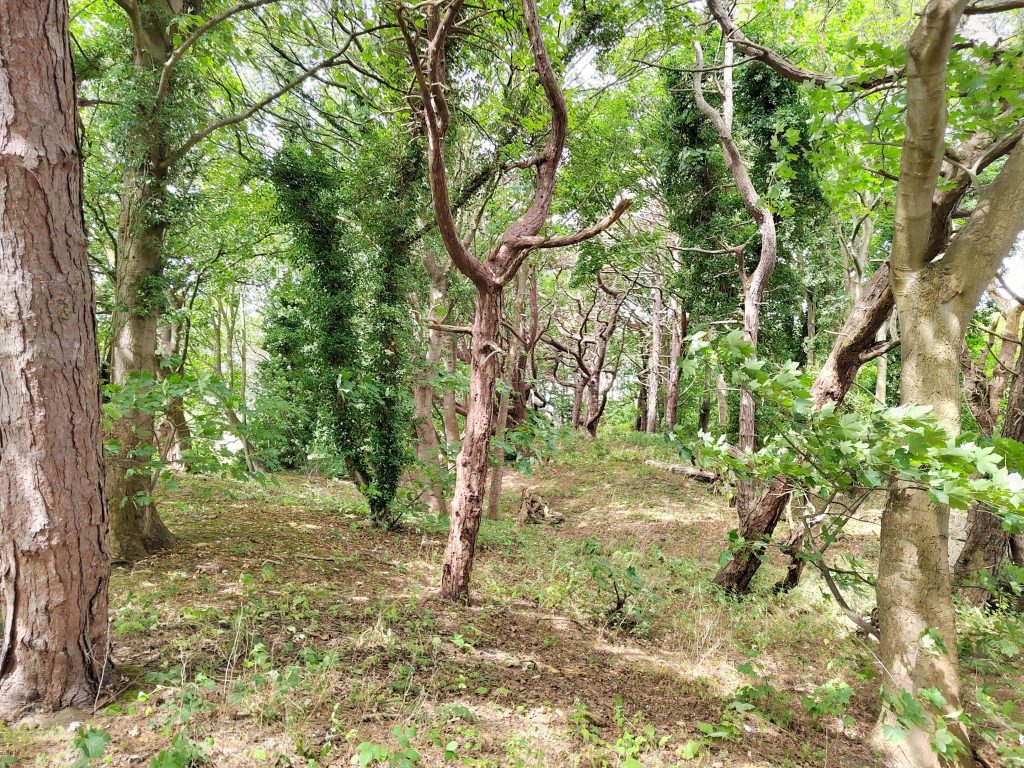
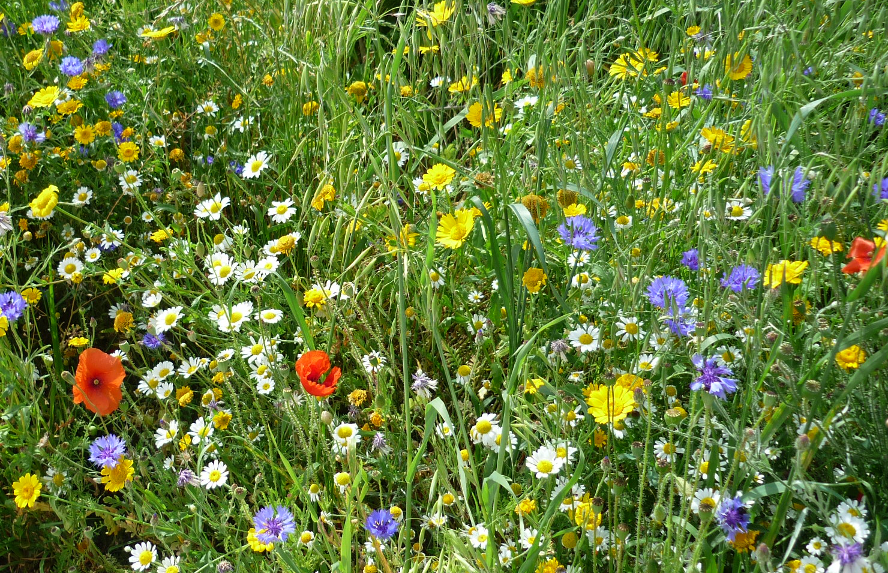
Regular monitoring is essential to understand the condition of Local Wildlife Sites and to assess how they are changing over time. Monitoring provides information on whether designated features and habitats remain present and in good condition, whether current management practices are having a positive or negative impact, and whether site designation guidelines continue to be met.
Monitoring results are used to determine whether sites are maintaining their nature conservation value and to inform recommendations for positive conservation management. These recommendations may be shared with landowners, site managers and other relevant partners to help support long‑term biodiversity outcomes.
Reporting and statutory context
Site condition and management status are reported annually to the Department for Environment, Food and Rural Affairs (Defra) through the mandatory Single Data List (SDL) indicator: Local Sites in positive conservation management. This reporting supports local authority performance monitoring and ensures that Local Wildlife Sites are recognised within national environmental datasets.
Robust, consistent monitoring is therefore crucial not only for site management, but also for meeting statutory and reporting requirements.
Main aims of Local Wildlife Site monitoring
Local Wildlife Site monitoring aims to:
- Assess the overall condition of sites and whether key features remain present and in good condition
- Identify management issues and recommend appropriate conservation actions to landowners and site managers
- Highlight sites at risk from development pressure, poor management or invasive species
- Provide data to support local authority reporting to Defra through the Single Data List
- Strengthen the evidence base for the Liverpool City Region Nature Recovery Network and emerging Local Nature Recovery Strategies