
Overview
North Merseyside has a fascinating geological history shaped by ancient seas, glaciation, and shifting landscapes. Beneath our towns and coastlines lie layers of Carboniferous Coal Measures, Triassic sandstones, and glacial deposits that tell the story of 300 million years of Earth’s evolution. Today, these features are preserved in designated Local Geological Sites (LGS) and Sites of Special Scientific Interest (SSSI).
Key Geological Features
- Carboniferous Rocks: Sandstones, mudstones, and coal seams forming part of the Lancashire Coalfield
- Triassic Sandstones: Found beneath Liverpool and the coastal plains
- Glacial Deposits: Till, blown sand, and peat from the last Ice Age
- Coastal Dunes: Dynamic systems along the Sefton Coast
Local Geological Sites & SSSIs
- Hesketh Golf Links: Coastal sand dunes near Southport with geological and ecological significance.
- Sefton Coast (SSSI): One of the largest dune systems in England; geological and biological interest, home to rare species like natterjack toads.
- Cronton Mineral Line: Near Whiston, Knowsley; exposes the rock formation that forms part of a disused railway cutting.
- Pex Hill Quarry, Cronton: This disused sandstone quarry forms part of the Pex Hill Nature Reserve and dates back to the Triassic period.
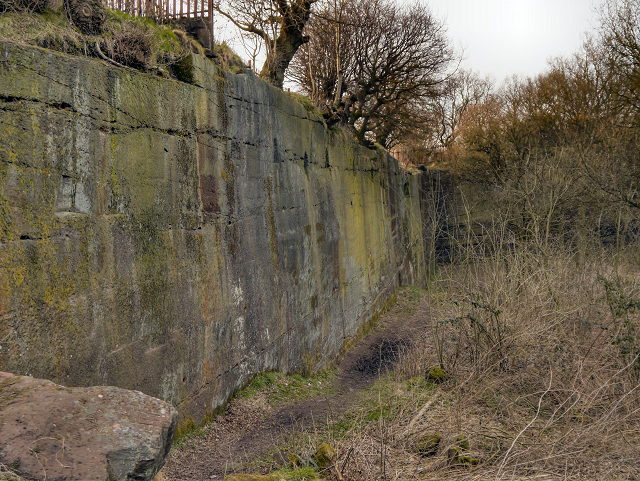
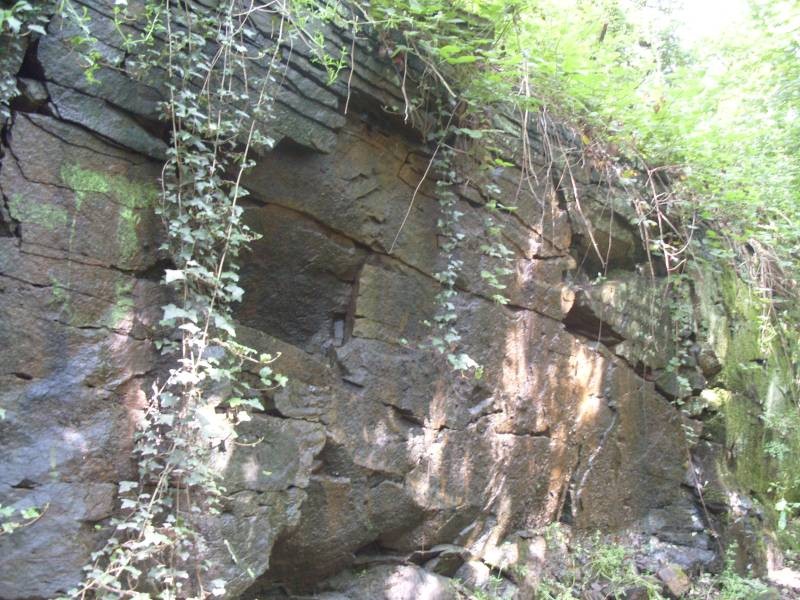
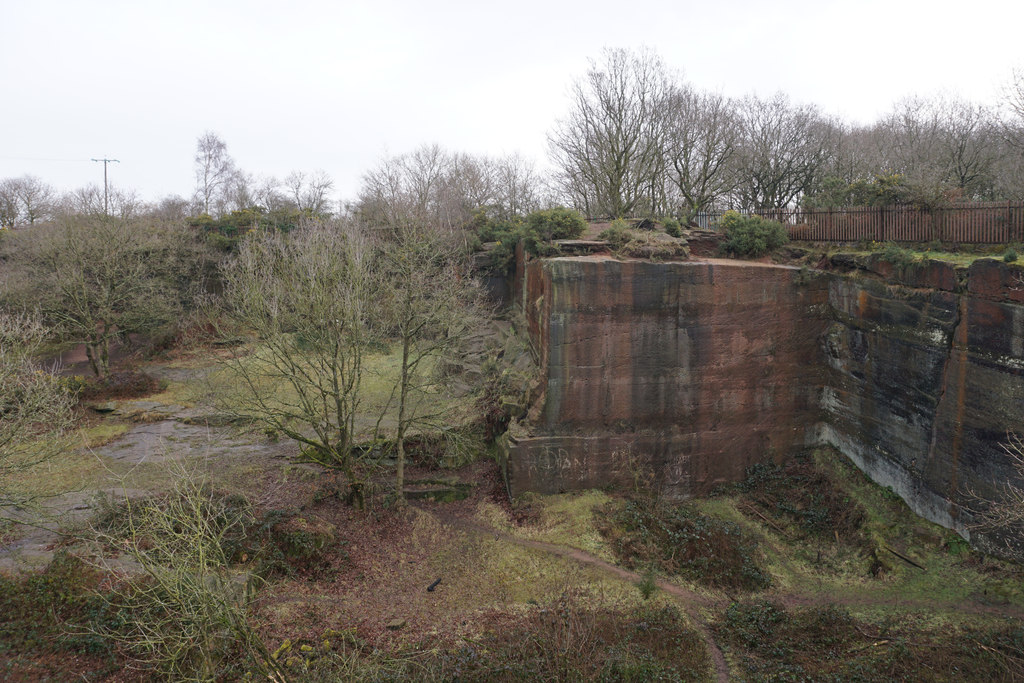
Photo by David Dixon, licensed under CC BY-SA 2.0 via Geograph.